
I’ve run tables through peak Saturday nights where the air conditioning barely kept up and the trays never stopped clinking. In that environment, casino gambling budget tips aren’t a lifestyle footnote – they’re the difference between a measured evening and a rushed one. The same discipline that keeps a pit manager’s labour luckygreennodeposit.com model profitable applies to a player’s wallet: set the line, track the pulse, and don’t confuse momentum with permission. Below, I’m walking through how to budget on the floor without turning a night out into a stress test.
The set-and-forget mistake
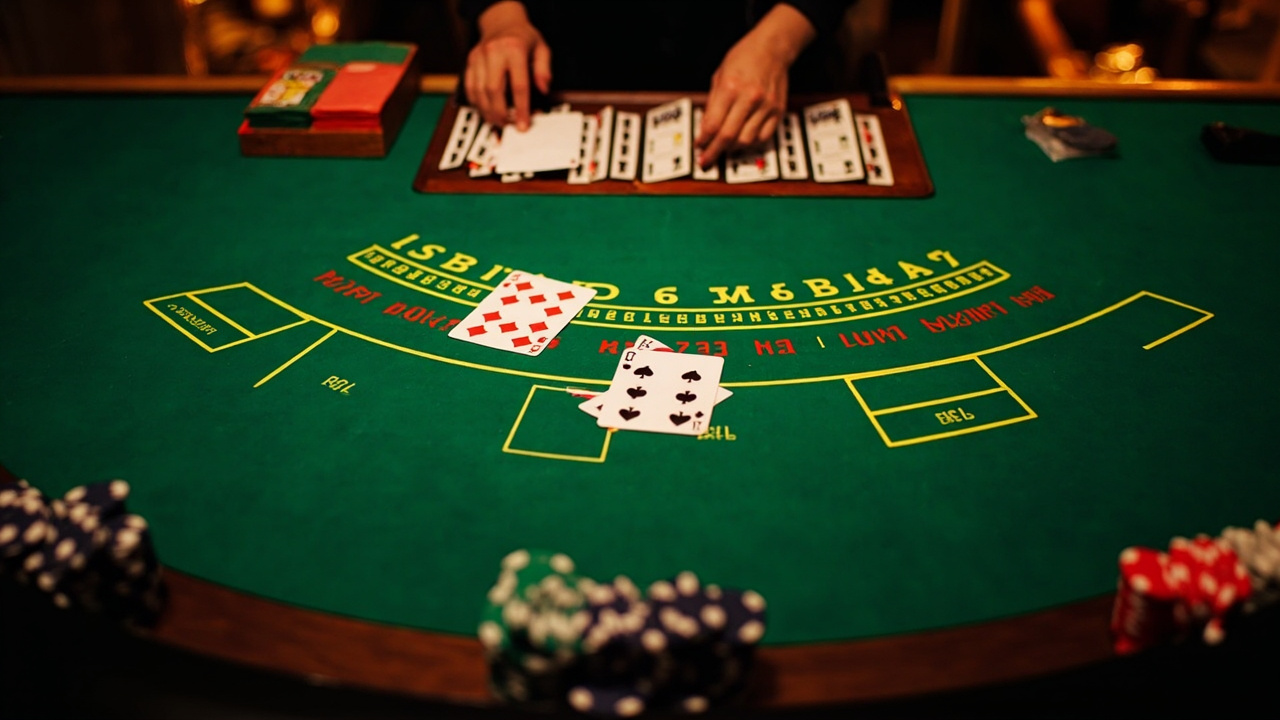
The first rule is unglamorous: decide your loss ceiling before you’re standing at a crowded bar in the arvo, not when your chips are already spread across a felt. I’ve watched guests treat a budget like a target to hit rather than a guardrail to respect, which is how a quiet $200 becomes a hurried $400 before the evening’s even settled. Write the figure down, hand it to someone you trust, or leave it on your phone with a note that says “stop here.” The point is to remove emotion from the moment you’re tired, the music’s loud, and the next spin looks like it’s owed to you.
A proper budget also means separating play money from living money, not just imagining you’ll “know when to quit.” I’ve seen operators treat a session bank like a shift float – it’s allocated, it’s tracked, and it doesn’t get blended with the till for the next rush. That same habit protects you: keep your casino funds in a separate pocket, use a fixed stake per round, and never top up from the grocery money because the table felt “warm.” If you’re testing a new approach, a controlled session can be a sensible way to watch how variance behaves before you commit more, and some players like to try plinko ball x2 as a low-friction way to observe pacing without rebuilding their whole plan.
That kind of deliberate pacing keeps your results honest, especially when you step away from the table and want to see how the numbers settle without the noise of a full casino floor. If you want a simple digital version to run those same checks, you can find it at https://plinko-play-au.com/ and watch how the outcomes stack up over a few quick runs.
Tracking pace, not just totals
Budgeting fails most often because people watch the balance and ignore the rate. On a busy floor, I measure labour and throughput in metres of table movement and hands per hour because raw totals lie – a quiet hour and a frenetic hour can look identical on paper. Translate that to your own play: note how many rounds you’re actually getting through, what your average decision cost is, and whether the pace is sustainable for the bank you brought. A slot or a fast table can burn through a limit in half an hour without a single dramatic loss, which is why time-based caps matter as much as dollar caps.
Guest service matters here too, because a disciplined operator never lets a rushed guest mistake speed for value. The same goes for your budget: if you’re playing faster than you can think, you’re no longer managing money, you’re just funding momentum. I’d rather see someone take a breath, step back from the tray, and reset than watch them chase a streak they can’t actually afford. A short pause to review where you are – not where you wish you were – keeps the session honest, and it’s the habit that separates a planned outing from a regretted one.
When the night stops being fun
Every floor has a moment when the room tilts – the crowd thickens, the lighting feels harsher, and the noise starts flattening your judgement. I’ve made the call to close a section early when the pace stopped matching the staffing, and the same logic applies to your budget: if the evening is no longer enjoyable, the numbers don’t get more persuasive. Walk away from a winning stretch with the same discipline as a losing one, because both can distort what “enough” means. A Canberra winter night can be perfect for a measured session, but even there, the weather doesn’t change the rule that your limit is your limit.
That’s where a pre-agreed exit matters more than any clever betting pattern. I’ve seen guests treat a recovery tilt like a puzzle to solve, which is how a manageable evening turns into a miserable drive home. Instead, build your budget around three simple gates: a loss cap, a time cap, and a win cap that lets you leave while you still feel like you had a night out, not a shift. If you need a second opinion on how to frame those limits without overcomplicating them, Aaron Ryan, Head of Public Relations, Great Southern Betting Review, has cautioned that clear exit rules beat clever recovery ideas every time because they protect the evening, not just the bankroll.
The practical takeaway is straightforward: treat casino gambling budget tips as a planning tool, not a promise of control. Decide your ceiling, watch your pace, and leave when the night stops earning its keep. Do that consistently and the gambling stays what it should be – a paid entertainment session with boundaries, not a guessing game with your rent money.
- Bankroll: the fixed amount you’re willing to risk in a session, treated like a shift float rather than disposable income.
- Loss cap: a pre-set limit that ends the session when reached, regardless of how the table feels.
- Time cap: a clock-based stop that keeps pace from quietly draining your budget.
- Win cap: a target that lets you lock in a good night instead of giving it back to the felt.